One-stop PCBA Assembly: How to Cut Your Product Launch Time in Half
One-stop PCBA assembly isn’t just about convenience—it’s about speed, accountability, and predictable results.

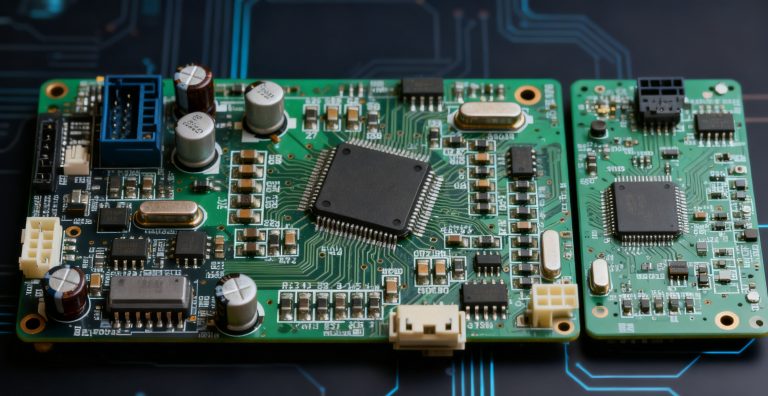
One-stop PCBA assembly isn’t just about convenience—it’s about speed, accountability, and predictable results.
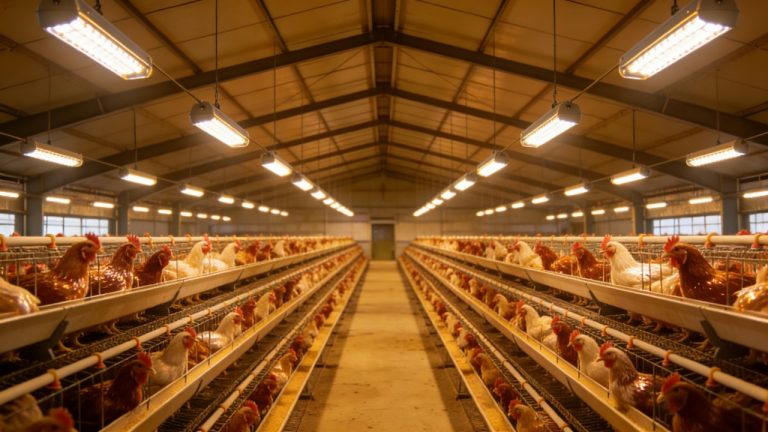
Before you sign a PO, use these 5 questions to separate high-performance poultry lighting systems from low-cost imitations — and protect your ROI from day one.
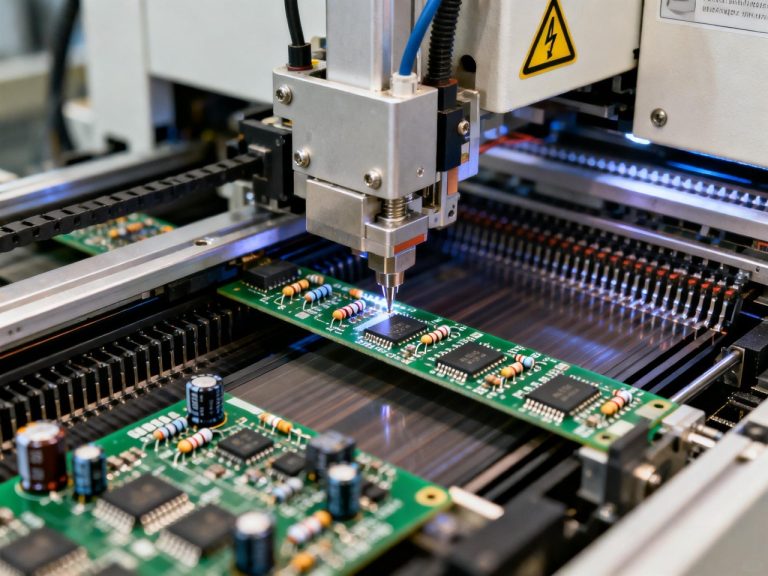
You’ve invested weeks refining your design and locking down your BOM—only to discover that 15% of your PCBA boards fail AOI inspection.

This article provides practical guidance for poultry farmers and decision-makers on evaluating LED poultry house lighting, including selection parameters, installation layouts, control system compatibility, and lighting recommendations for different poultry types and growth stages.
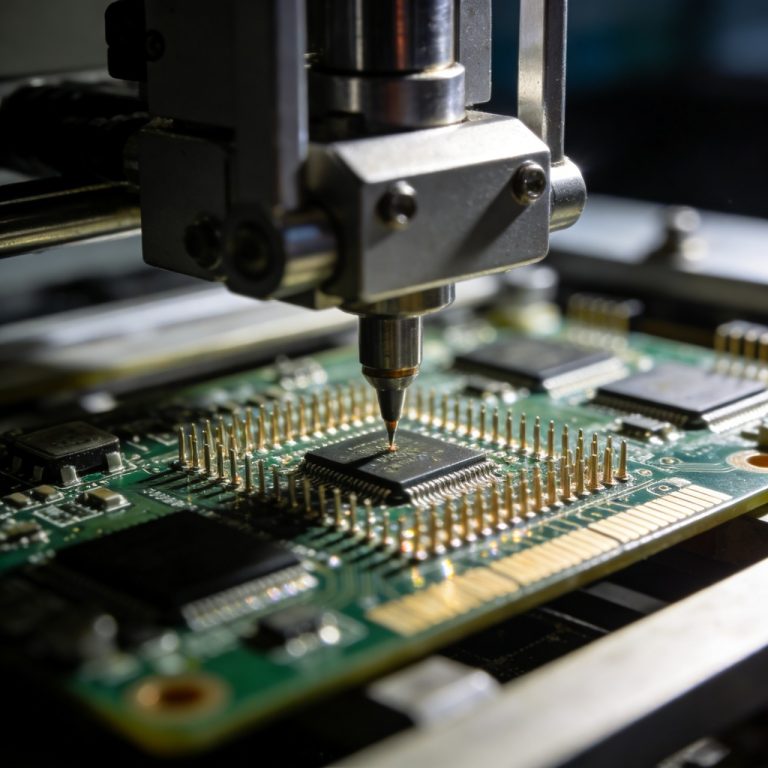
When you source China SMT PCBA, you often encounter challenges that can jeopardize your project if they are not properly managed. Many buyers focus only on price, underestimate lead times, or fail to verify suppliers thoroughly.
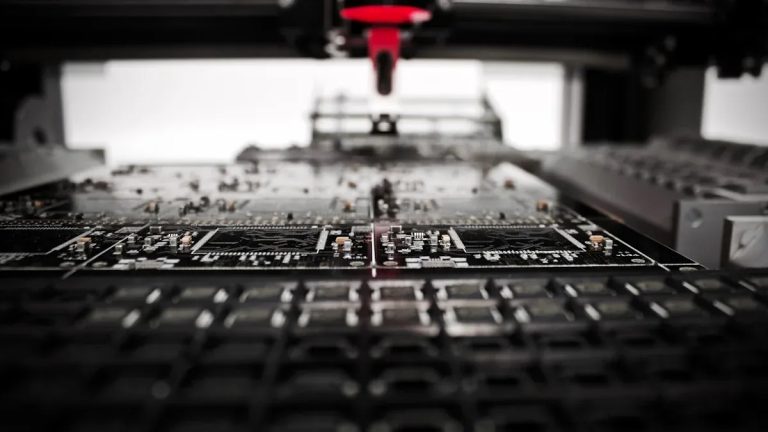
Understanding SMT PCBA is critical for any electronics project. You need to assess not only the supplier but also the manufacturing process, technical capabilities, quality control, and supply chain management.
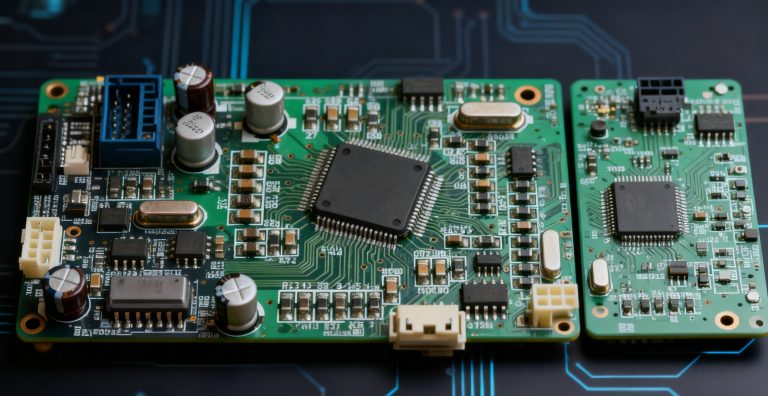
Certifications provide essential proof that an SMT PCBA meets internationally recognized standards for quality, safety, and regulatory compliance.
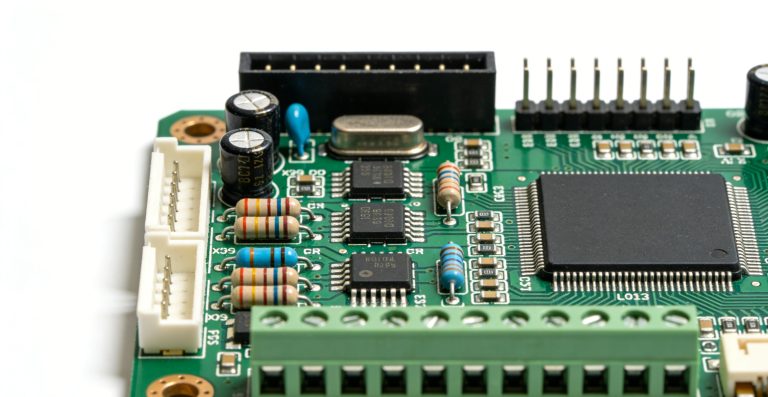
Choosing the right PCBA Contract Manufacturing approach can define your product’s reputation and your company’s long-term competitiveness. A single strategic misstep in PCBA contract manufacturing decisions may expose you to quality failures, communication breakdowns, supply chain disruptions, or even intellectual property risks.
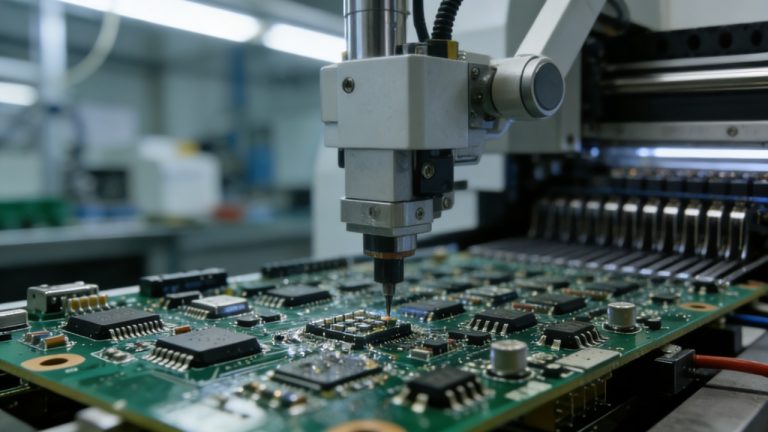
In electronic manufacturing, SMT PCBA can be produced using different assembly processes depending on product requirements, performance expectations, and application environments.
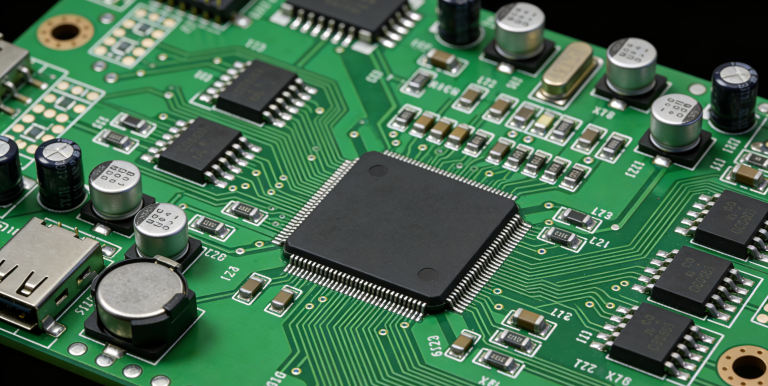
You often encounter SMT PCBA defects like solder bridging, tombstoning, solder balls, insufficient solder, missing components, cold solder joints, misalignment, and open joints in PCBA assembly.
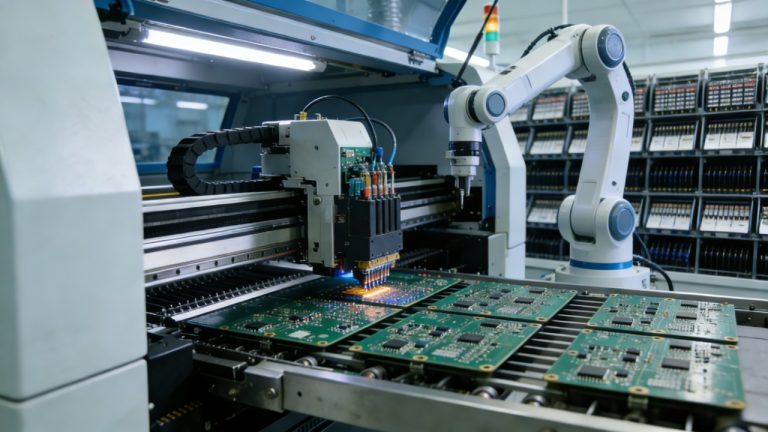
For most OEMs, you will find that PCBA contract manufacturing delivers lower operational costs and mitigates major risks compared to in-house assembly. Key risk factors often cited by decision-makers include quality control, intellectual property security, and production scalability.
Surface mount technology (SMT) PCBA processes involve three essential steps: solder paste printing, component placement, and reflow soldering. These steps directly influence the quality and reliability of your SMT PCBA assemblies.