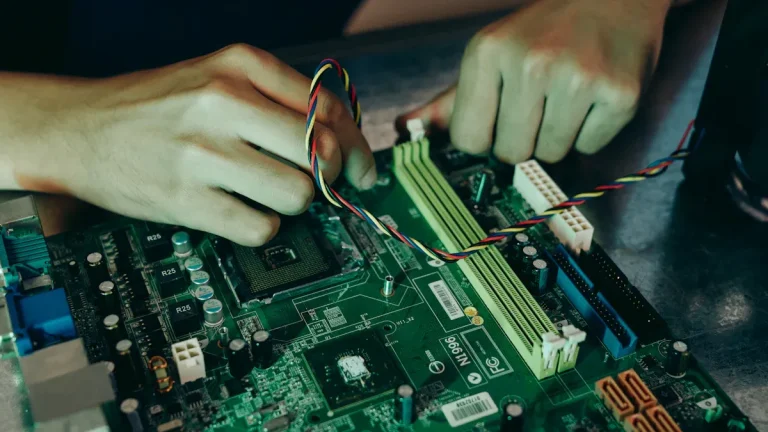
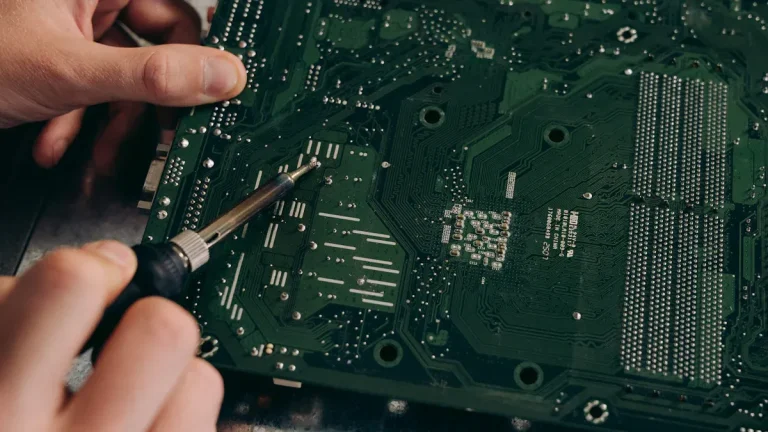
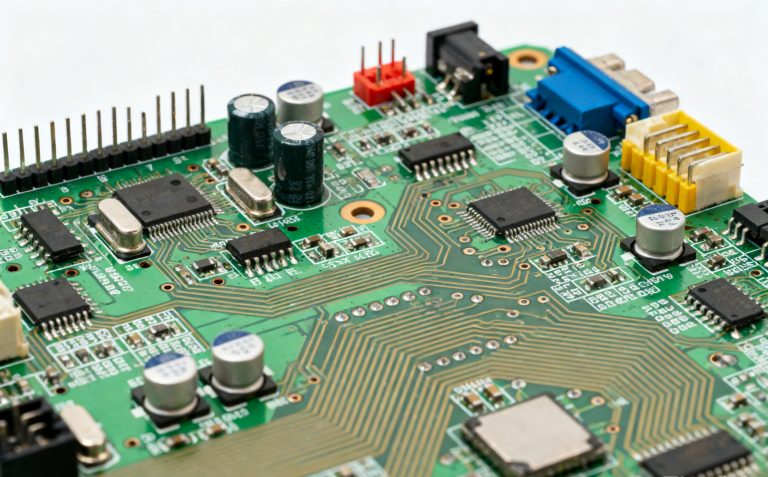
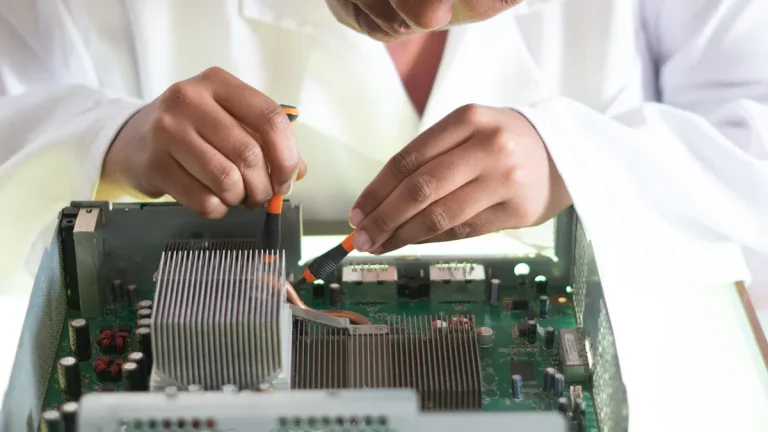
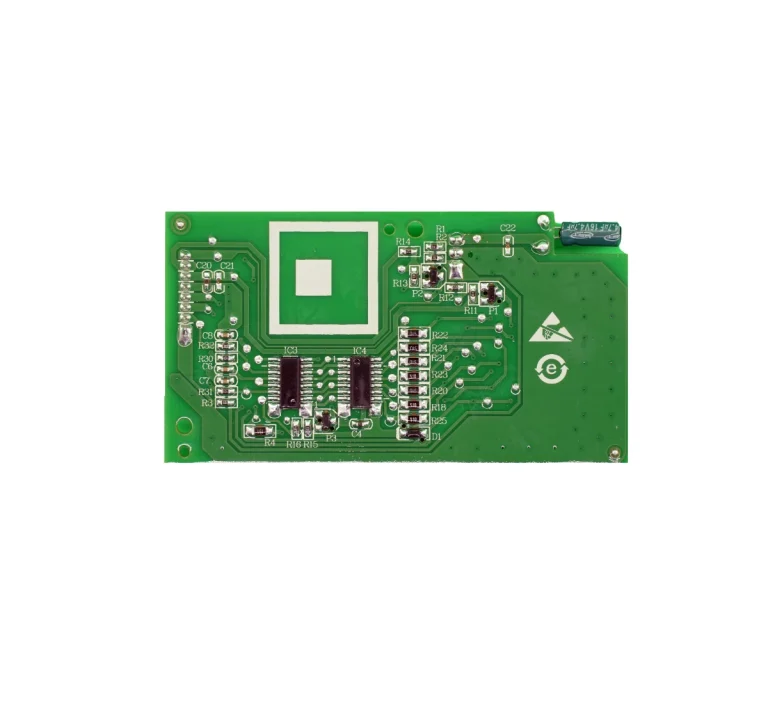
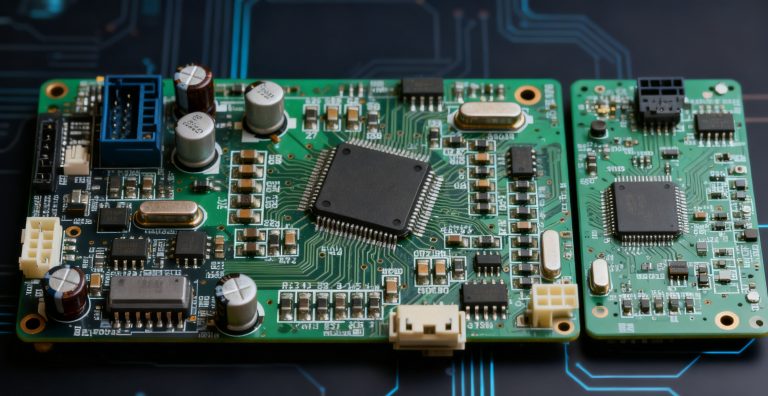
In the competitive home appliances sector, the internal electronics are the “heart” of every unit. PCBA services (Printed Circuit Board Assembly) have evolved from simple manufacturing to a critical factor in product longevity, especially for appliances facing high humidity, thermal stress, and mechanical vibrations.
Market Outlook: The Shift Toward Appliance Longevity
The global smart appliance market is no longer just about “features”; it’s about durability. With the market projected to hit $325 billion by 2030, the demand for robust electronic components is skyrocketing.
According to recent 2025 consumer behavior reports, 78% of homeowners prioritize “expected lifespan” over “brand name” when purchasing washing machines or ovens. This shift directly pressures OEMs to seek specialized electronics manufacturing services (EMS) that guarantee performance in harsh environments.
Critical Environmental Challenges for Appliance Electronics
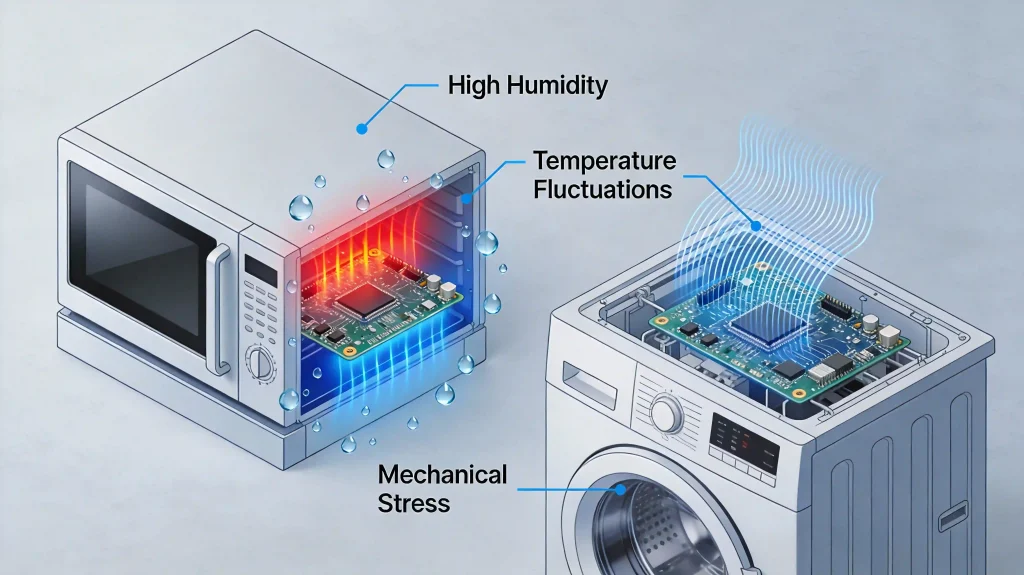
Kitchen and laundry environments are notoriously “hostile” for standard electronics. To ensure zero-defect performance, PCBA design must account for:
- High Humidity & Steam: Constant exposure in dishwashers leads to ionic contamination and dendritic growth (short circuits).
- Thermal Cycling: Ovens and refrigerators subject boards to rapid expansion and contraction, stressing solder joints.
- Mechanical Vibration: The 1200+ RPM spin cycles in washing machines can cause component displacement or fatigue cracks.
Industry Insight: Warranty claims linked to electronic failure cost the industry nearly $8.7 billion annually. Improving board-level reliability isn’t just a quality choice—it’s a massive cost-saving strategy.
Engineering Solutions for “Appliance-Grade” PCBAs
To mitigate these risks, professional PCBA service providers implement four core manufacturing standards:
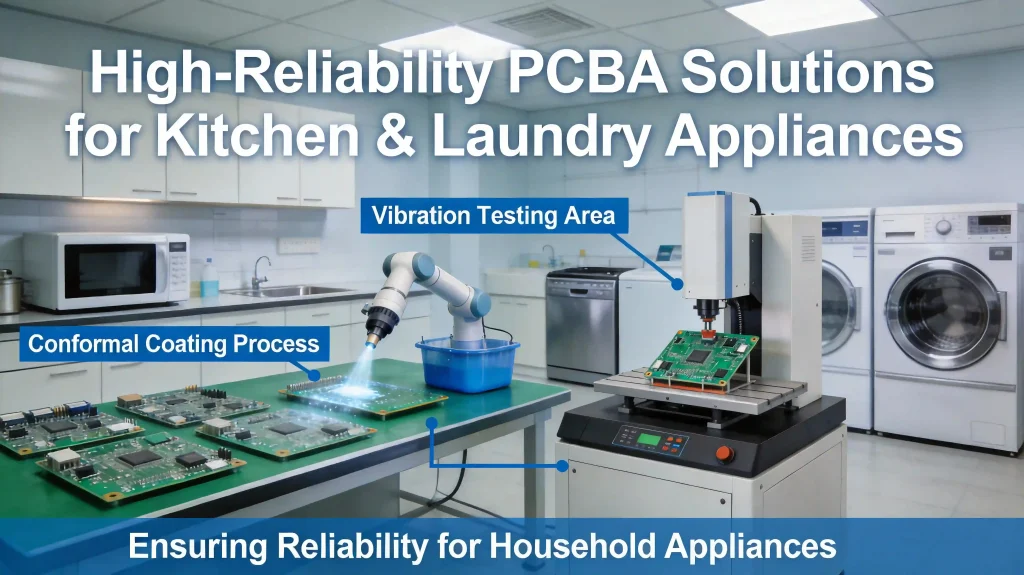
1. Advanced Conformal Coating
We apply specialized acrylic or silicone-based coatings to create a moisture-proof barrier. This is essential for any PCBA used in laundry or steam-heavy kitchen environments.
2. Strategic Thermal Management
Utilizing high-Tg (Glass Transition Temperature) materials and optimized copper pouring helps dissipate heat in compact appliance housings, preventing localized hotspots.
3. Vibration-Resistant SMT Processes
By using underfill materials for BGA components and reinforced solder alloys, we ensure the electronics can withstand years of mechanical stress without failure.
4. Industrial-Grade Component Sourcing
We move beyond consumer-grade specs, selecting components rated for extended temperature ranges (e.g., -40°C to +125°C) to ensure stability in ovens or outdoor laundry setups.
Case Study: SanShun Smart Reduces Warranty Claims by 40% with High-Reliability PCBA Services
Partnered with a specialized PCBA services provider to improve the reliability of their dishwasher control boards. By implementing conformal coating, vibration-resistant design, and high-temperature components, the company reduced warranty claims related to PCBA failures by 40% within 12 months. The improved reliability also enhanced customer satisfaction, with SanShun Smart receiving a 15% increase in positive customer reviews related to product durability.
Conclusion
As appliances become “smarter,” the margin for error in PCBA quality shrinks. Partnering with a specialized service provider ensures that your products don’t just work—they last.
FAQ: PCBA Solutions for Home Appliances
Q: Why is conformal coating necessary for washing machine PCBAs?
A: It protects the delicate circuitry from moisture and detergent chemical vapors, preventing corrosion and accidental short circuits during high-humidity cycles.
Q: Can high-reliability PCBA services reduce my manufacturing costs?
A: Yes. While the initial per-unit cost may be slightly higher, the drastic reduction in warranty returns and brand reputation damage provides a much higher ROI in the long run.
Q: What challenges do appliance manufacturers face with PCBA in humid environments?
A: High humidity can lead to corrosion and short circuits in PCBA. Conformal coating and moisture-resistant materials are essential to ensure long-term performance in such environments.
Q: How can vibration affect the reliability of PCBA in appliances?
A: Vibration, especially during spin cycles in washing machines or dishwashers, can lead to solder joint fatigue. Vibration-resistant designs and reinforced solder joints are crucial to preventing these failures.
Q: What standards should I look for in an appliance PCBA partner?
A: Look for ISO 9001 and IATF 16949 (if applicable) certifications, as well as specific experience in harsh environment electronics.